
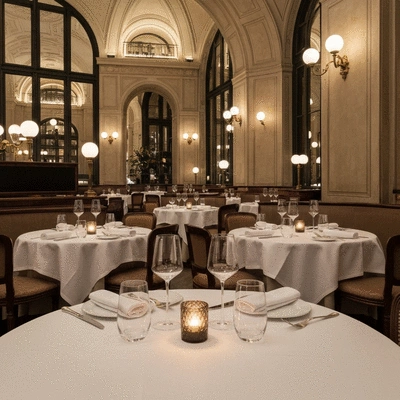
Your Website Is Your Digital Storefront: Why Visual Design Defines Customer Trust
A visitor lands on your website. Within seconds, they form an opinion about your brand. They'll never consciously think about typography choices or color harmony, but they'll absolutely feel them. A premium fashion or lifestyle brand lives by first impressions, and online, that first impression happens entirely through visual design. Your website doesn't just represent your product. It is your product in digital form.
For fashion and lifestyle brands, this reality carries profound weight. A customer touching fabric in a physical store experiences quality through their senses. Online, your website must convey that same quality through pixels, colors, and carefully chosen typefaces. The gap between a website that looks generic and one that feels genuinely premium often determines whether a visitor becomes a customer or scrolls away to a competitor.
Research confirms what successful luxury brands have known for years. Studies show that up to 90 percent of initial impressions about products rely entirely on visual design. Color influences purchasing decisions for 85 percent of customers. When every detail matters, cutting corners on design isn't an option.
The Visual Language That Builds Credibility
Before customers read a single word about your products, they're already evaluating your brand through design choices. A cluttered homepage with inconsistent spacing feels chaotic and unreliable. Clean layouts with deliberate use of whitespace feel intentional and trustworthy. Colors that clash create psychological dissonance. Colors that work in harmony communicate sophistication.
Design consistency across your entire website reinforces professionalism and builds recognition. When your navigation feels intuitive, your product images look stunning, and your checkout flows naturally, customers perceive your entire brand as competent and trustworthy. Conversely, even minor design inconsistencies erode confidence. A form field that looks different from others, a button that doesn't align with your palette, or spacing that seems random all signal that someone wasn't paying attention.
For fashion and lifestyle brands competing in dense markets, design credibility is often the differentiator that shapes purchasing decisions. A well-designed website doesn't just look better. It performs better because it makes customers feel confident making a purchase from a brand that clearly cares about excellence.
Color Psychology: Your Invisible Sales Tool
Every color your brand uses triggers specific emotional responses. This isn't marketing theory. This is neuroscience. Different wavelengths of light are processed by specialized receptors in human eyes, which then send signals to the brain, where cultural associations and personal experiences shape interpretation.
Luxury fashion brands understand this perfectly. Chanel and Rolex pair black with gold to communicate exclusivity and sophistication. These colors don't feel luxurious by accident. Black conveys authority and formality. Gold suggests wealth and premium quality. Together, they create a visual signature that says "this brand is worth the investment."
Purple carries associations with royalty and wisdom, making it popular with high-end cosmetics and premium skincare brands. Blue evokes trust and calmness, effective for brands positioning themselves as reliable and secure. Warm colors like coral and salmon suggest friendliness and approachability, ideal for lifestyle brands targeting younger, more casual audiences.
The key is consistency. Your primary brand colors should appear throughout your website, on your product pages, and in your checkout flow. This repetition builds recognition and reinforces your brand identity in visitors' minds. When customers see your signature color palette on social media, packaging, and your website, they experience a cohesive brand that feels intentional and established.
But color selection isn't just about choosing appealing hues. It's about understanding your target audience and what emotional responses different colors trigger in them. Different demographics, cultural backgrounds, and age groups respond differently to the same colors. A thoughtful brand invests time understanding which colors resonate with their specific customer base, then applies them strategically.
Research shows that high-contrast color combinations grab attention and improve readability, both crucial for guiding customers through your site. A bold accent color against a neutral background creates visual hierarchy, helping customers focus on what matters most, whether that's a call-to-action button or a featured product.
Typography: The Often-Overlooked Brand Asset
While color psychology receives more attention, typography might be even more important. People spend longer reading text than absorbing color, and typeface choices communicate subtle messages about your brand's personality and values.
In 2025, typography trends reflect a push away from oversimplified minimalism toward more expressive, distinctive typefaces. Luxury fashion brands like Prada, Chanel, and Burberry are investing in custom, heritage-inspired fonts that signal authenticity and craftsmanship. These bespoke typefaces act as visual anchors, connecting modern branding with history and tradition.
Serif typefaces, long written off as dated, have experienced a remarkable resurgence. Modern serifs aren't stuffy or rigid. They're sophisticated, elegant, and surprisingly dynamic. A well-chosen serif font conveys refinement and editorial credibility. Fashion magazines and luxury lifestyle brands frequently pair condensed serif fonts with contemporary layouts, creating timeless designs that feel both established and current.
Sans serif typefaces remain essential for clean, modern aesthetics, but successful brands increasingly pair them with distinctive characteristics. Custom lettering adds personality. Variable fonts adjust their weight and width responsively across different screen sizes, ensuring your typography looks intentional on mobile phones, tablets, and desktop displays.
Hand-drawn and script typefaces create intimacy and personality, perfect for lifestyle brands wanting to feel approachable and human. The trend toward softer, more personal lettering reflects a market-wide move away from overly polished aesthetics. However, these should be used sparingly and strategically, typically for headlines and accents rather than body text.
Readability matters as much as style. No matter how beautiful a typeface is, if customers can't comfortably read your product descriptions or website copy, they'll leave. The best approach pairs distinctive display fonts for headlines with highly legible fonts for body text, creating visual interest without sacrificing clarity.
Modern UI Trends That Define Premium
User interface design in 2025 emphasizes bold, high-contrast elements that communicate confidence and clarity. The trend toward minimalism continues, but with a twist: rather than sparse, everything feels intentional. Every element serves a purpose. Nothing feels rushed or cluttered.
Dark mode with neon accents creates a sleek, forward-looking aesthetic that appeals to fashion-forward audiences. White space becomes a design tool rather than wasted space, allowing key visual elements and product photography to breathe and dominate the eye. Micro-interactions, like smooth transitions when hovering over buttons or subtle animations when scrolling, add refinement without feeling gimmicky.
Photography and imagery matter profoundly for fashion brands. Professional product photography that captures texture, lighting, and detail builds trust that pictures actually look like the real product. Lifestyle imagery showing products in use helps customers envision themselves owning and wearing them. A premium brand invests heavily in high-resolution images from multiple angles with zoom functionality, allowing customers to examine products almost as thoroughly as they would in a physical store.
Interactive elements like product filters, color swatches, and size guides reduce decision friction and build confidence. When customers can easily see products in different colors, sizes, and styling options, they feel more confident making a purchase. Variable font technology enables typography to adjust dynamically based on screen context, ensuring your headlines impact mobile users as much as desktop visitors.
The Trust Equation: Design, Information, and Navigation
Research into e-commerce psychology reveals three critical components of customer trust: visual design, information quality, and navigation design. All three must work together.
Visual design establishes immediate credibility. Within seconds, customers assess whether your site looks professional and trustworthy. Inconsistent spacing, outdated colors, or cluttered layouts trigger skepticism. Clean, thoughtful design creates the opposite impression.
Information design determines whether customers find the details they need. Clear product descriptions, detailed specifications, care instructions, and transparent pricing all build confidence. For fashion brands, high-quality product photography combined with detailed descriptions about materials, construction, and sizing helps customers make informed decisions.
Navigation design affects whether customers can easily move through your site and find what they want. Intuitive menu structures, clear categorization, and logical product organization reduce friction. When customers struggle to find what they're looking for, frustration builds and they abandon the site. When navigation feels intuitive, the entire experience feels premium.
Together, these three elements create what researchers call "perceived credibility." This isn't objective credibility. It's the customer's subjective feeling that your brand is trustworthy and legitimate. Design plays a massive role in shaping this perception.
Studies show that customers make purchasing decisions based heavily on visual cues. Solid color fields around credit card entry fields, security badges, and clean checkout flows all signal that a site is secure and trustworthy. Even visual elements that don't have functional significance, like padlock icons, improve customer confidence. This isn't manipulation. It's human psychology: visual cues shape emotional responses that drive behavior.
The Mobile Imperative: Design That Works Everywhere
Mobile commerce now drives the majority of online shopping traffic, and fashion e-commerce is no exception. Over 60 percent of luxury fashion traffic comes from mobile devices. This means your website design must be equally beautiful and functional on a 6-inch phone screen as it is on a 27-inch monitor.
Mobile-first design approaches start with the small screen and expand upward, ensuring that the core experience works perfectly on devices where the majority of your customers shop. Touch interactions require careful attention: buttons must be large enough to tap accurately, forms must minimize required typing, and scrolling should feel smooth and responsive.
Typography scales differently on mobile than on desktop. A headline that commands attention on a large screen might overwhelm on mobile. Variable fonts solve this elegantly, automatically adjusting weight and width based on screen size. Imagery must load quickly without pixelating or appearing blurry when zoomed. High-contrast design that works on smaller screens becomes even more important.
The checkout process on mobile deserves special attention. Friction at checkout kills sales more than any other factor. Single-page checkout flows, saved payment methods, and accelerated checkout options like Shop Pay reduce abandonment dramatically. When mobile customers can complete a purchase in four taps rather than filling out multiple screens of form fields, they're significantly more likely to complete the transaction.
Consistency: The Unsung Hero of Brand Trust
Consistency across all digital touchpoints reinforces brand identity and builds familiarity. Your website colors should match your social media aesthetic. Your typography should reflect your packaging design. Your tone of voice across product descriptions should align with your customer service interactions.
This consistency extends beyond obvious elements. Loading states, error messages, confirmation screens, and even the way you display prices all contribute to a cohesive brand experience. When customers see the same quality and attention to detail everywhere they interact with your brand, trust compounds.
Large luxury brands treat their websites as carefully as they treat their physical flagship stores. Every detail receives consideration. Nothing feels accidental. For emerging and mid-size brands, this level of detail is what separates industry leaders from everyone else.
The Business Case: Design Directly Impacts Revenue
The financial case for investing in premium web design is straightforward. Research from Baymard suggests that even modest design improvements to checkout processes improve conversion rates by 35 percent or more. When customers feel confident in your design, they're more likely to complete purchases.
Customer reviews and testimonials matter, but they matter more when they're displayed on a website that looks premium. A 4.5-star rating means something different when presented in a professionally designed component versus cramped into a corner of a cluttered page. Visual hierarchy directs attention to your strongest social proof.
Abandoned carts, often caused by design friction or trust concerns, cost fashion brands millions annually. A streamlined, beautifully designed checkout with clear trust signals reduces abandonment significantly. Free shipping information displayed prominently, transparent return policies, and security badges all reduce purchase hesitation.
Repeat customers generated through strong design-driven brand experiences are incredibly valuable. Customers who feel confident in your brand are more likely to return and more likely to recommend you to others. Customer lifetime value increases substantially when your website creates the right emotional response.
Finding Design Partners Who Understand Fashion
Building a premium website requires more than technical skill. Your design partner needs to understand fashion and lifestyle brand positioning. They need to know that luxury markets operate differently from mass markets. They need to recognize that a design approach that works for a casual online retailer won't work for a premium fashion brand.
For a brand where visual storytelling is everything, working with talented web designers Canberra who understand color psychology, typography, and modern UI trends ensures your online presence matches the premium quality of your product. These designers bring expertise that goes beyond choosing aesthetically pleasing colors and fonts. They understand the psychological impact of each choice.
The best design partners research your specific market, your target audience, and your competitive landscape. They ask thoughtful questions about your brand values and customer personas. They propose design systems that scale as your brand grows. They measure design decisions against business outcomes, not just aesthetic preferences.
This partnership approach distinguishes generic website work from premium web design. When designers treat your website as a critical business asset rather than a checkbox to complete, the results reflect that prioritization.
Measuring Design Success
Premium design isn't subjective. While aesthetics matter, the ultimate measure of successful web design for fashion brands is business performance. Track metrics that matter: conversion rates, average order value, customer satisfaction scores, and repeat purchase rates.
Monitor how different design elements perform. A/B testing different button colors, checkout flows, or product image layouts reveals what actually resonates with your customers. Heat maps show where visitors focus attention and where they abandon pages. These insights inform design refinement.
Customer feedback, through surveys and reviews, reveals how your design makes people feel. Comments about the shopping experience, product presentation, and site navigation provide qualitative data that complements quantitative metrics.
The goal is a design that serves your business. Aesthetically gorgeous but confusing navigation fails. Functional but bland design underperforms emotionally engaging, strategically crafted aesthetics. The best websites achieve both beauty and performance simultaneously.
Conclusion
Your website is your digital storefront, and storefront design matters profoundly. In fashion and lifestyle markets where visual identity defines brand positioning, web design either reinforces premium positioning or undermines it. There's no middle ground.
Color psychology, thoughtful typography, modern UI principles, and consistent brand expression across all touchpoints create websites that communicate value, build trust, and drive sales. The brands winning in competitive markets understand this. They invest in design as a strategic business function, not a creative afterthought.
For fashion and lifestyle brands ready to compete at the highest levels, premium web design isn't optional. It's fundamental to success.