Bistro or Brasserie: What's Different?
As you prepare to indulge in the rich flavors of French cuisine, understanding the distinct differences between bistros and brasseries can enhance your dining experience. Each offers a unique atmosphere and menu, tailored to different occasions and preferences. Are you ready to uncover these culinary gems?
What You Will Learn
- Bistros typically offer a cozy, relaxed vibe, perfect for casual dining experiences.
- Brasseries provide a livelier atmosphere, ideal for all-day dining and special occasions.
- Bistro menus focus on traditional French dishes, while brasseries include a broader variety, often with international influences.
- Make reservations ahead of time to secure a table, especially during busy weekends.
Bistro vs. Brasserie: Key Distinctions
Understanding the key differences between bistros and brasseries can significantly enhance your French dining experience. Below is a comparison of their operational hours, menu styles, and general ambiance. For those eager to explore more, our guide on finding French dining nearby can help you locate the perfect spot.
Bistro Characteristics
- Operational Hours: Lunch until late evening (often closing around midnight).
- Menu Style: Focus on traditional French, homemade flavors, seasonal ingredients.
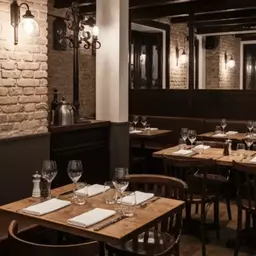
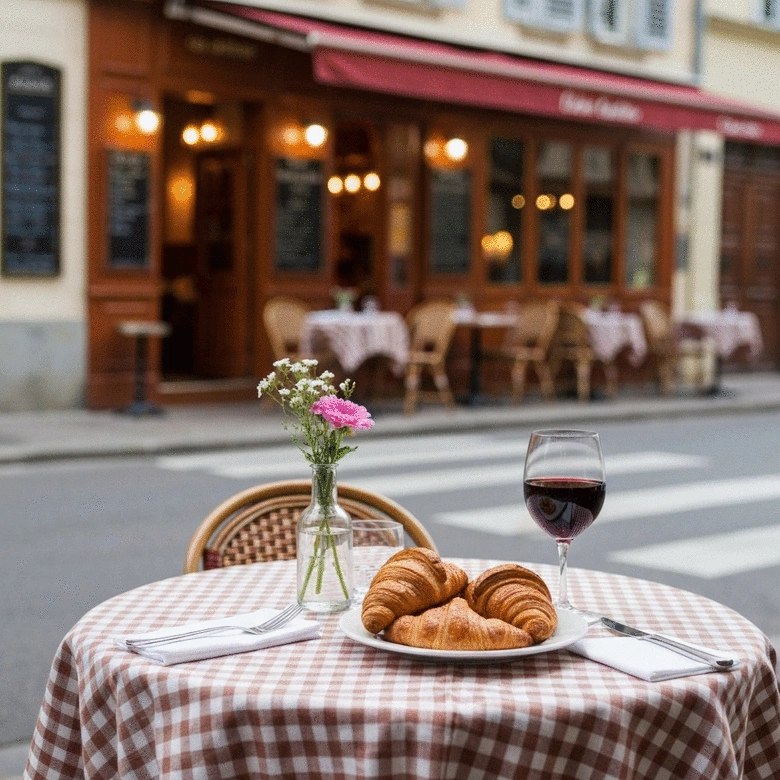
- Ambiance: Cozy, intimate, unpretentious.
- Price Point: Generally more budget-friendly.
- Signature Dishes: Duck confit, beef bourguignon, tarte Tatin.
Brasserie Characteristics
- Operational Hours: Open all day, morning until late night (ideal for all-day dining).
- Menu Style: More extensive, broader range, international influences.
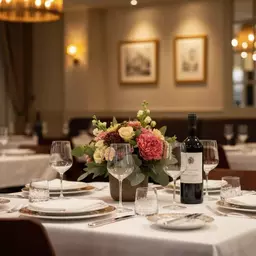
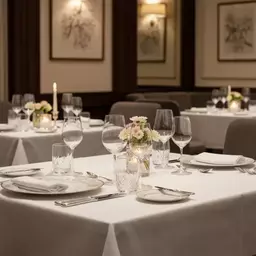
- Ambiance: Livlier, vibrant, sophisticated.
- Price Point: Can be pricier due to expansive offerings.
- Signature Dishes: Steak frites, seafood platters, gourmet burgers.
Understanding the Core Differences: Bistro vs Brasserie
When diving into the world of French dining, one of the first things you'll encounter is the delightful terminology of bistro and brasserie. While both offer a taste of French gastronomy, they cater to different experiences and expectations. So, what exactly sets these two apart? Let's explore.
At the French Dining Guide, we've curated a comprehensive understanding of these establishments to help you choose the right dining experience. After years of exploring countless spots, I can confidently say that knowing the distinctions can elevate your culinary adventures!
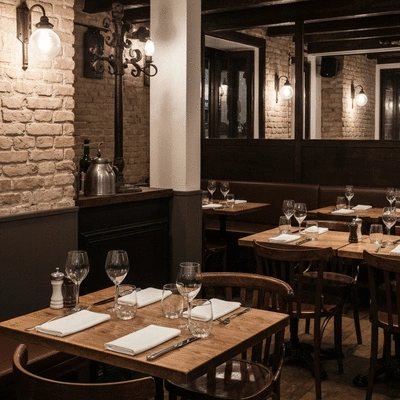
Operational Hours: When to Visit Each Venue Type
Understanding operational hours is crucial when planning your visit. Typically, bistros have more relaxed hours and are perfect for casual dining, often opening for lunch and staying open until late dinner. In contrast, brasseries usually have extended hours, serving food throughout the day, making them ideal for brunch or a late-night meal. For a deeper dive into brasseries, consider understanding French brasseries in Australia.
- Bistro Hours: Usually operate from lunch until late evening, often closing around midnight.
- Brasserie Hours: Open all day, typically from morning until late at night, perfect for all-day dining.
- Peak Times: Both venues can get busy during weekends, so consider making a reservation!
Knowing when to visit can significantly enhance your experience, ensuring you enjoy the atmosphere and service each venue type provides.
Menu Styles: What to Expect from French Bistros and Brasseries
The menus at bistros and brasseries provide unique insights into their culinary offerings. Bistros often focus on traditional French dishes, emphasizing homemade flavors and seasonal ingredients. You can expect hearty meals that evoke a sense of comfort. On the flip side, brasseries feature a more extensive menu and often include a variety of international influences alongside classic French fare.
- Bistro Menus: Typically include dishes like coq au vin, ratatouille, and various tartines.
- Brasserie Menus: Offer a broader range, including steak frites, seafood platters, and even international options like curry.
- Daily Specials: Often, both venues feature specials based on seasonal ingredients, so keep an eye out!
Deciding between a bistro and a brasserie can depend on your culinary cravings — whether you're looking for comfort or variety!
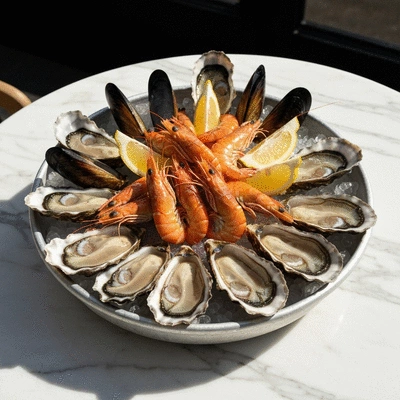
Signature Dishes: Exploring Popular Offerings at Bistros and Brasseries
Every French dining establishment has its signature dishes that can make or break your experience. In bistros, the focus is often on simpler, rustic offerings that reflect the chef’s personal touch. On the other hand, brasseries highlight their more elaborate dishes, often presented in a sophisticated manner.
- Bistro Highlights: Look for dishes like duck confit, beef bourguignon, and homemade desserts like tarte Tatin.
- Brasserie Highlights: Enjoy specialties like mussels marinières, gourmet burgers, and extravagant seafood dishes.
- Seasonal Offerings: Both types of venues may change their offerings based on what's fresh and in season, adding an element of surprise!
By familiarizing yourself with these signature dishes, you can better navigate the menus and indulge in the best that each type of venue has to offer.
Engage with Us: Your Thoughts on Bistros and Brasseries
As we delve deeper into the nuances of French dining, we want to hear from you! What aspects of bistros and brasseries do you find most appealing? Is it the cozy ambiance of a bistro or the vibrant atmosphere of a brasserie that draws you in? Share your thoughts in the quick poll below:
Summing Up the Differences: Your Guide to French Dining
As we’ve explored, the world of French dining is rich and varied, with bistros and brasseries each offering unique culinary experiences. Whether you’re in the mood for a casual meal or a more formal dining occasion, understanding the nuances can help you make the best choice. So, what are the key differences that can guide your decision?
- Ambiance: Bistros tend to have a cozy, intimate feel, while brasseries often feature a livelier and more vibrant atmosphere.
- Service: Expect friendly, unpretentious service in bistros, contrasted with the polished, attentive service style of brasseries.
- Menu Diversity: Bistros usually offer a smaller, more focused menu, whereas brasseries boast a broader selection of dishes and wines.
- Price Point: Generally, bistros are more budget-friendly, while brasseries can be pricier, reflecting their expansive offerings.
As you ponder your next dining adventure, consider these factors. Remember, each venue has its own charm and can cater to different moods and occasions!
Key Takeaways for Choosing Between a Bistro and Brasserie
When deciding between a bistro and a brasserie, it’s essential to consider the dining experience you desire. Here are some takeaways to keep in mind:
- For a relaxed lunch or a casual dinner, head to your local bistro.
- If you're celebrating a special occasion or want a more elegant experience, a brasserie might be your best bet.
- Don’t forget to check the menu in advance; some bistros may have daily specials worth trying!
- Consider the ambiance you prefer—whether you’re looking for a quiet corner or a bustling environment can influence your choice.
At French Dining Guide, we believe that the right dining experience can turn a simple meal into a cherished memory. So whether you choose a bistro or a brasserie, embrace the flavors and atmosphere that each has to offer!
Planning Your Visit: Essential Tips and Reservation Guidance
Ready to embark on a French culinary journey? Planning is key to making the most of your dining experience. Here are some essential tips to keep in mind before you head out:
When to Book: Navigating the Busy Dining Scene
French restaurants can get quite busy, especially during weekends and holidays. To ensure you get a table at your preferred spot, consider these tips:
- Make Reservations: Always call ahead or use online booking tools to secure your table.
- Consider Off-Peak Times: Dining early or late can help you avoid the rush.
- Check for Special Events: Some restaurants may host exclusive events, so be sure to reserve well in advance.
By planning your visit, you can enjoy a stress-free dining experience and focus on savoring every bite!
Enhancing Your Experience: Wine Pairing Recommendations
No French meal is complete without the perfect wine! Here are some simple tips to help you choose the right wine to complement your meal:
- Red Wine: Pair light dishes with a Pinot Noir, while a robust Cabernet Sauvignon works well with heartier fare.
- White Wine: A crisp Sauvignon Blanc is a great match for seafood, while a rich Chardonnay complements creamy sauces.
- Rosé: Ideal for summer dining, this versatile option can pair with a variety of dishes!
Don’t hesitate to ask your server for their recommendations—after all, they’re there to enhance your dining experience! For more insights into French dining, check out our guide to French dining in Sydney: top 10.
Dining Etiquette: What to Know Before You Go
Dining in a French restaurant can come with its own set of unwritten rules. Here are a few etiquette tips to keep in mind:
- Don’t Rush: Take your time to enjoy each course—French dining is all about savoring the experience!
- Be Polite: A simple "Bonjour" when entering and "Merci" when leaving can go a long way.
- Keep Your Hands on the Table: In France, it’s considered polite to keep your hands visible—but not your elbows!
With these tips, you'll be well-equipped to navigate any French dining setting, whether it's a cozy bistro or an elegant brasserie.
Frequently Asked Questions About Bistros and Brasseries
Q: What is the main difference between a bistro and a brasserie?
A: Bistros are typically smaller, cozier establishments known for traditional, homemade French dishes and a casual atmosphere. Brasseries are larger, livelier, and often open all day, offering a more extensive menu with a broader range of dishes, including international influences, and a more sophisticated ambiance.
Q: What kind of food can I expect at a bistro?
A: Bistro menus focus on classic French comfort food, often featuring seasonal ingredients. Expect dishes like duck confit, beef bourguignon, coq au vin, ratatouille, and tarte Tatin for dessert.
Q: What kind of food can I expect at a brasserie?
A: Brasseries offer a more diverse menu, often including classic French fare alongside international options. Popular dishes include steak frites, seafood platters, mussels marinières, and gourmet burgers.
Q: Are brasseries more expensive than bistros?
A: Generally, brasseries can be pricier than bistros due to their more extensive menus, broader offerings, and often more polished service and vibrant atmosphere. Bistros are usually more budget-friendly.
Q: Do I need to make reservations for bistros or brasseries?
A: It is always recommended to make reservations, especially during peak times like weekends and holidays, to ensure you secure a table at your preferred venue.
Join the Conversation: Share Your French Dining Experiences
We’d love to hear from you! Have you visited a bistro or brasserie recently? What were your thoughts on the atmosphere, menu, and overall experience? Share your stories with us, as they can inspire fellow diners to explore the rich tapestry of French cuisine available across Australia.
Engage with Us: Your Thoughts on Bistros and Brasseries
Join the conversation on our platform—let’s celebrate the flavors of France together! Whether you’re a longtime enthusiast or new to the scene, your insights are invaluable. Together, we can discover and appreciate the best of French dining.
Recap of Key Points
Here is a quick recap of the important points discussed in the article:
- Operational Hours: Bistros have relaxed hours, typically serving lunch until late dinner, while brasseries are open all day for various dining occasions.
- Menu Styles: Bistros focus on traditional French dishes with a cozy feel, whereas brasseries offer a wider menu with international influences.
- Signature Dishes: Bistros highlight rustic dishes like duck confit, while brasseries feature more elaborate offerings like gourmet seafood.
- Ambiance: Expect a cozy and intimate atmosphere in bistros and a lively environment in brasseries.
- Service: Bistros provide friendly service, while brasseries offer polished and attentive service styles.
- Reservations: Always make reservations, especially during peak times, to ensure a table at your chosen venue.